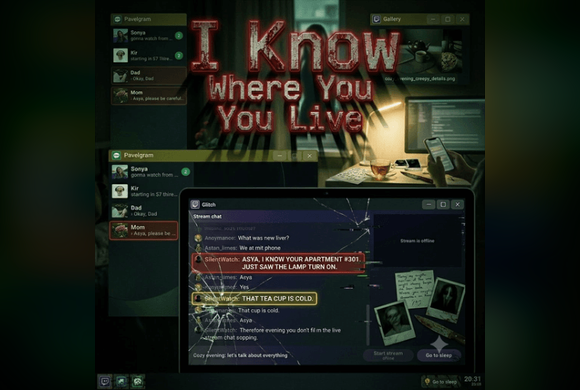
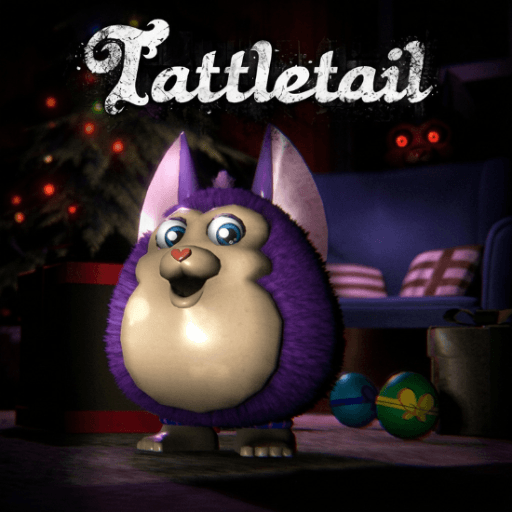
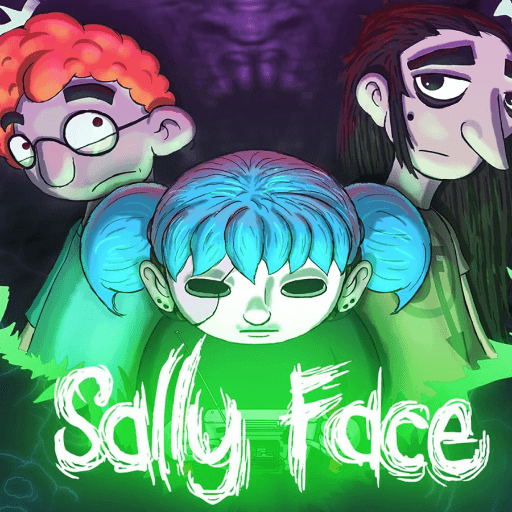
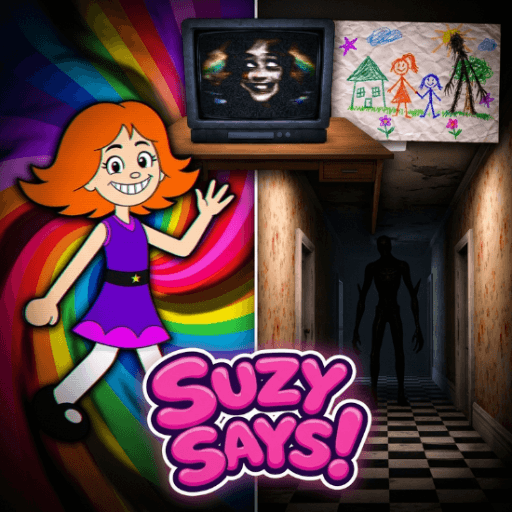
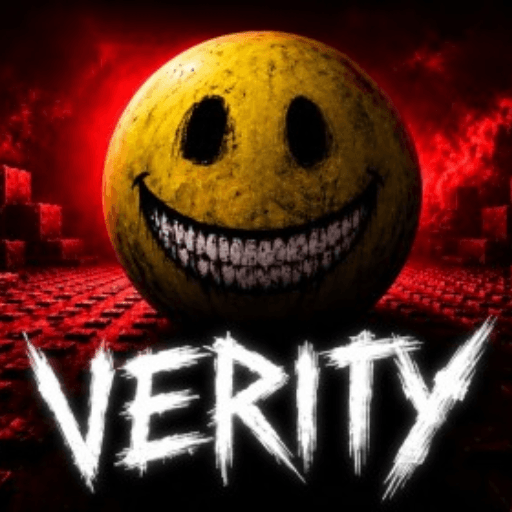
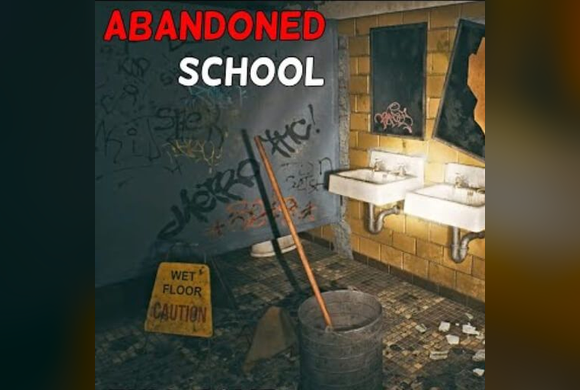
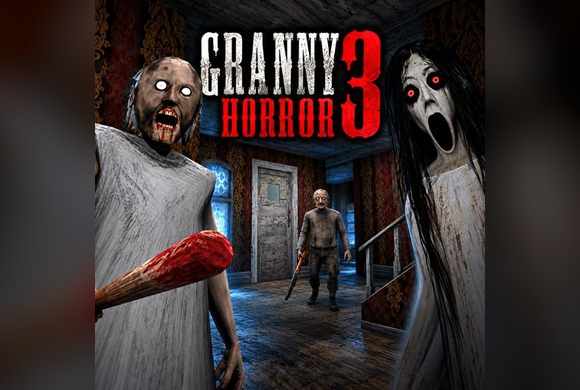
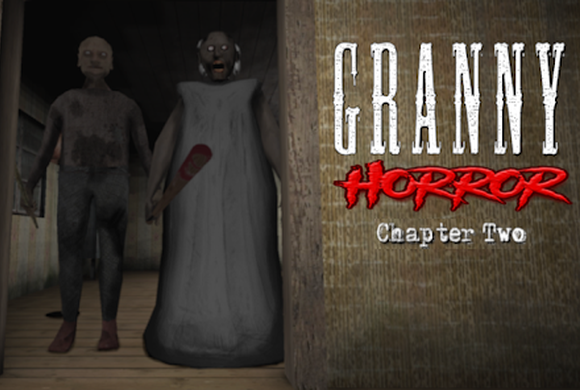
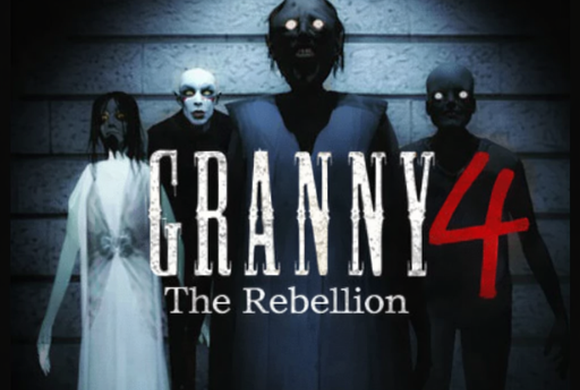
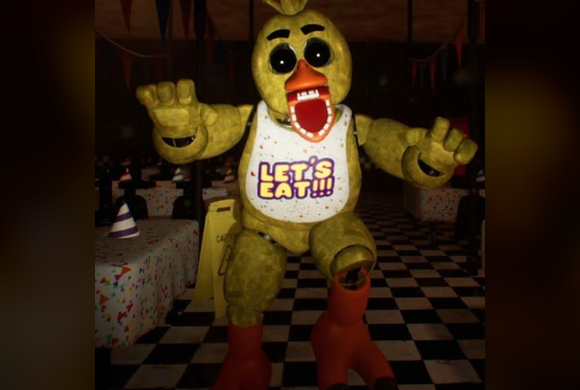
A scary game is made to get under your skin. It is not always a monster leaping out. It is the stretch of quiet before that, the feeling that the room you just entered is no longer yours. You play to stay uneasy on purpose: pulse up, attention tight, a small doubt about what is behind you.
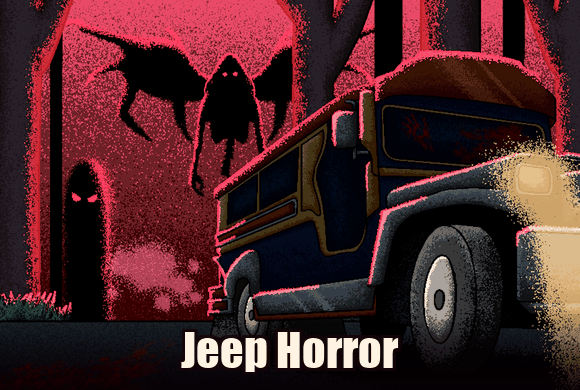
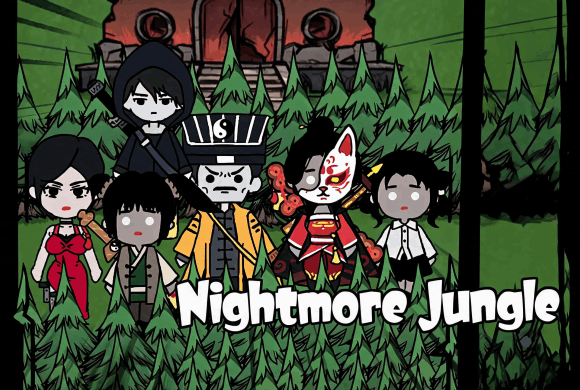
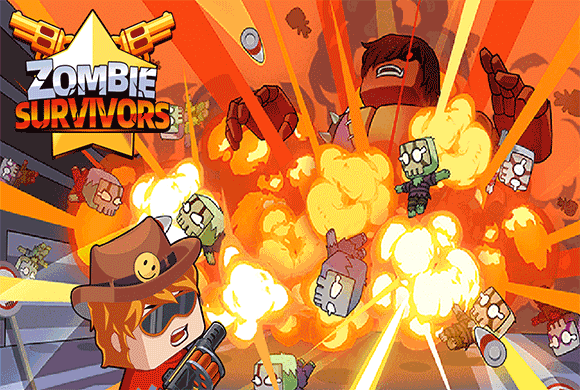
On a screen that can be a dorm bed, a jungle clearing, a night road, a fogged hall, or a street full of the dead. You hide, repair a door, watch a cabin, or hold a line while the next wave closes in. The point is not a long campaign. The point is that ordinary space starts to feel wrong, and you cannot look away.
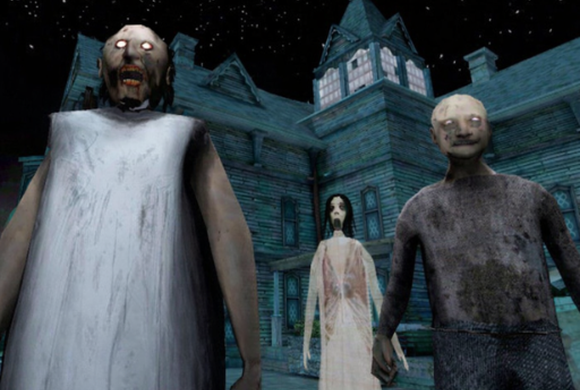
Some scary games wait. Some do not. A jump scare hits before you finish the thought. Eerie voices, a cry from the next room, a figure at the end of a hall — those are scare tools too, not extras. A horror scene can do the same work with fog, a flickering light, or a face that will not stay still. Slow dread and sudden shock both belong in scary games.
A short history of scary games
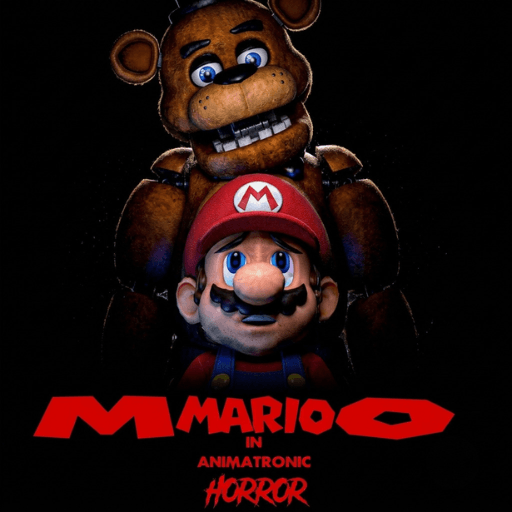
Scary games did not start as jump-scare rooms in a browser. Mystery House in 1980 already used a locked house and a murder you had to unpack. The form grew from text and 2D rooms into 3D spaces you walk yourself. Titles people still name — Five Nights at Freddy's, Poppy Playtime — sit on that line: you stay in a place that should be ordinary, and wait for it to stop being ordinary. Horror games on this page use the same idea, even when the night is a dorm, a jungle, or a jeepney shift.
Why you go looking for a scare
Fear is not comfortable, and that is the point. You want the next sound explained. You want to test how long you can wait, and how much feeling you can take. Challenge, curiosity, and a little self-control make the scare worth sitting through — a kind of night other genres rarely give you.